



The summer teachers union conferences can be dispiriting for those of us who want to see better American schools—and education reform more broadly. The National Education Association (NEA) conference, which occurred in early July, pledged that the organization would “defend democracy against Trump’s embrace of fascism by using the term facism [sic.] in NEA materials to correctly characterize Donald Trump’s program and actions.” Later in the month, the president of the American Federation of Teachers (AFT), Randi Weingarten, infamous for promoting school closures during the COVID era, mentioned Trump 17 times in her convention speech, accusing the government that the plurality of Americans voted for of “attacking the foundations of our humanity.”
Little was said at either convention about schools or children.
And yet, neither the NEA nor the AFT represents the majority of teachers, even if they both claim to. For one thing, most teachers are not leftist radicals: A 2017 Education Week survey found that a plurality of teachers describe themselves as moderate. Twenty-nine percent identify as either “liberal” or “very liberal,” and 27% identify as “conservative” or “very conservative.”
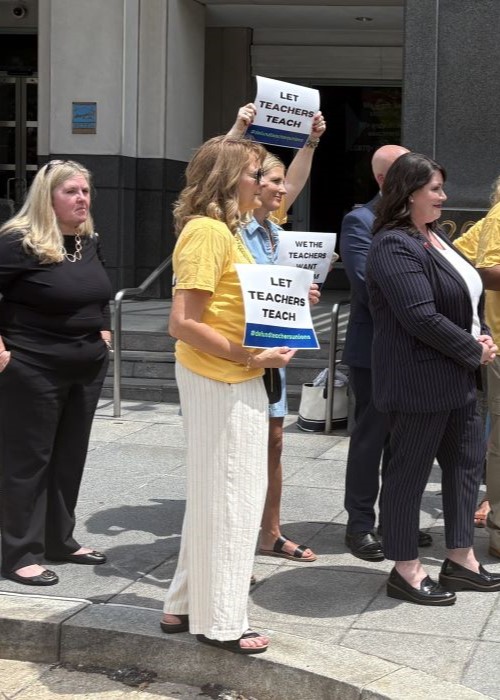
Perhaps nowhere else was this reality seen as much as the Teacher Freedom Summit, which was held in Washington, D.C., from July 16 through 18, and which I had the pleasure of attending.
Over 400 teachers from 48 states gathered to discuss education reform, education freedom, best practices in the classroom, curriculum, and alternatives to unions. Indeed, the Teacher Freedom Summit—organized by the Freedom Foundation’s Teacher Freedom Alliance—provides teachers with the support and protection they need without the strings or politics of teachers unions.
Among the teachers who attended the summit, I saw none of the political bloviating and none of the self-serving lies that permeated the teachers union conference. What was very clear was that they were in this for their students—and for the future of this country.
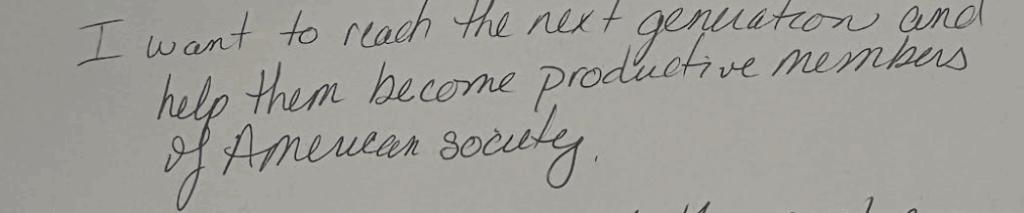
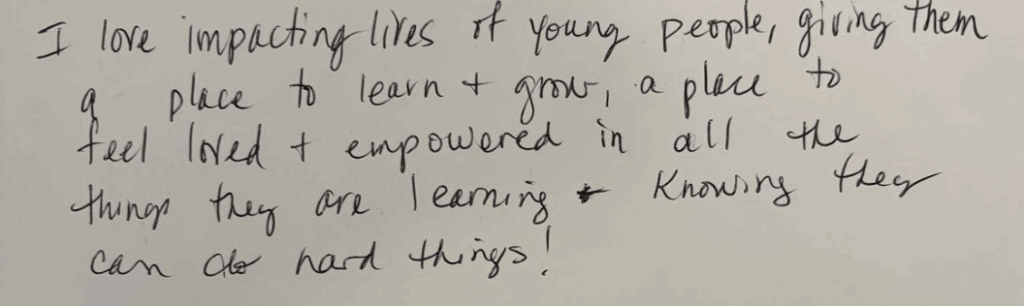
In fact, at the IW Features table, we asked teachers to write why they teach. The responses included:
- “I want to reach the next generation and help them become productive members of American society.”
- “I teach because we need the next generation to continue to keep our Republic and lead in protecting freedoms of all people around the globe :)”
- “I love impacting lives of young people, giving them a place to learn + grow, a place to feel loved + empowered in all things they are learning + knowing they can do hard things!”
- “To make sure the next generation learns from the past and excels in their future.”
- “I simply want to see students thrive in their education.”
These teachers encompassed the entire political spectrum—some told me that they considered themselves liberals but that they were still concerned by leftist infiltration of the American education system. What was clear was that this summit was not about politics, or about imposing a conservative set of values on schools rather than liberal ones: Rather, the summit was about restoring basic order and discipline back to schools, standards back to academics, and dignity back to the teaching profession, for liberals, conservatives, and the politically disaffiliated alike.
Having taught middle school and high school myself, I knew exactly what they were speaking about: While I did not stay a teacher for very long—mostly due to the problems that were being discussed at the summit, especially student discipline and the lack of respect for the teaching profession—I found it extremely rewarding and beautiful. While I love the writing, editing, and policy work I do these days and plan to continue in it independent of where education stands, I’ll admit that I very often miss teaching. And I’ll maintain that there are few feelings in this world as good as getting a very difficult class of eighth graders who claim they hate math to finally understand how to solve for x.
I know from my own experience that our teachers are on the front lines of forming the future of our country. I also know—also from my own experience—that our teachers are burning out and are being rendered incapable of doing their jobs because of the bureaucracy to which they are subjected and the culture of chaos that has infected all aspects of American society, including our schools.
If we are serious about creating a better country, we should get serious about our schools. And, thankfully, the Teacher Freedom Summit did just that.